

Are you looking for a unique, unforgettable experience in Nepal? Imagine staying in a cozy, family-run homestay where you can experience the true heart of Nepalese culture. Homestays offer much more than just a bed to sleep in; they provide the opportunity to immerse yourself in the daily life of the local people, savor their home-cooked meals, and take in the stunning beauty of Nepal's landscapes.
Whether you're exploring the bustling streets of Kathmandu or trekking in the remote regions of the Himalayas, the best homestays in Nepal offer a perfect blend of culture, comfort, and adventure.
One standout homestay that offers a combination of authentic local experiences and warm hospitality is Himanshu Homestay in the Kathmandu Valley. Let's explore the best homestays in Nepal, including Himanshu Homestay, that will ensure your trip is truly special!
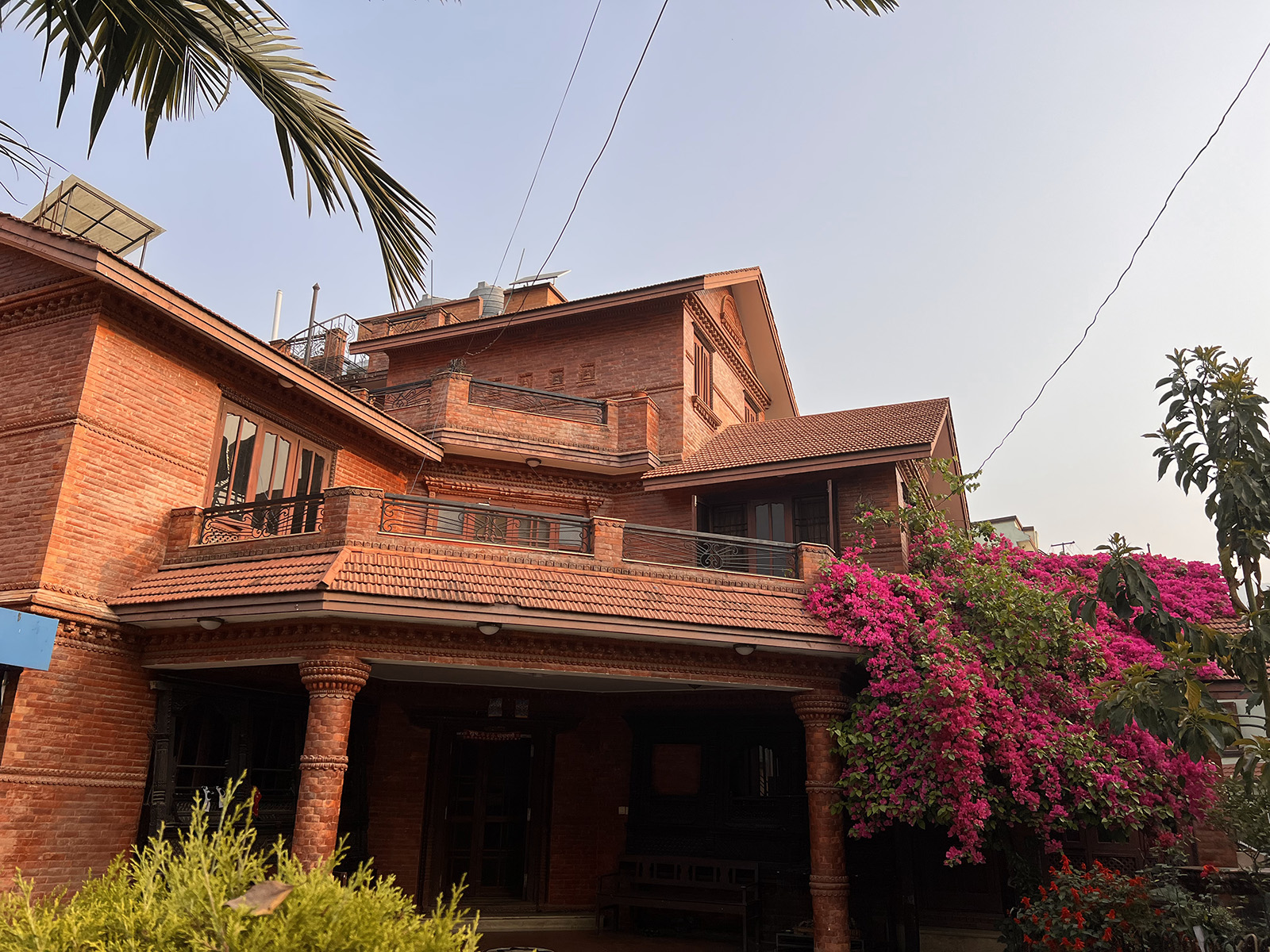
A homestay is a type of accommodation where travelers stay with local families in their homes. This unique lodging option offers a far more personal, culturally enriching experience compared to typical hotels or resorts. Instead of feeling like just another guest, you become part of the local community for the duration of your stay.
In a Nepali homestay, you get to experience day-to-day life through the eyes of your hosts. Whether it’s cooking meals together, participating in local activities, or learning about Nepalese traditions, homestays provide a window into the soul of Nepal. This is an ideal way to connect with locals and experience life as it’s truly lived.
Nepal’s homestays can be found in both urban areas like Kathmandu and Pokhara and remote villages in the Himalayas, offering a diverse range of experiences for every type of traveler.
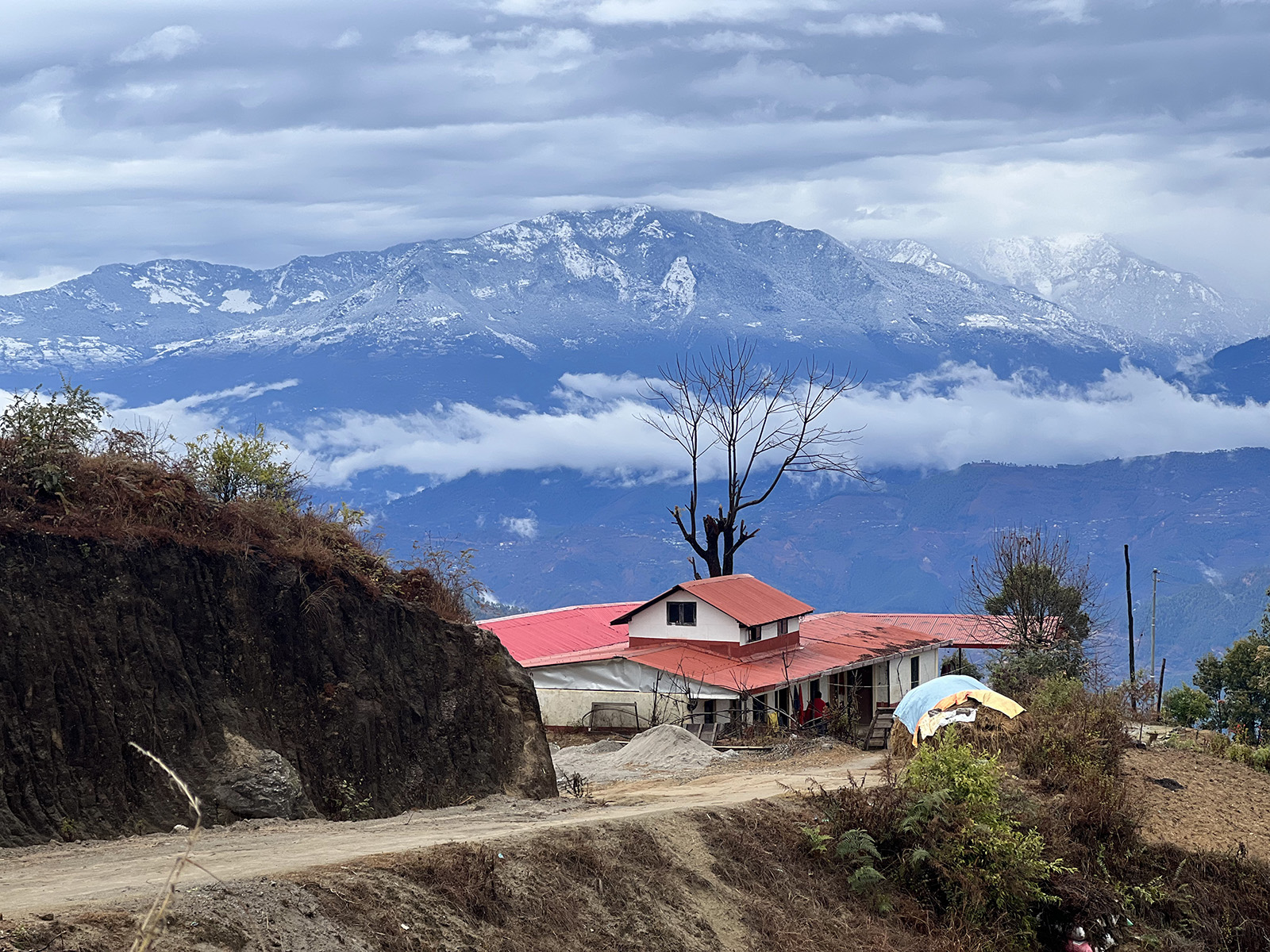
One of the main reasons to choose a homestay in Nepal is the opportunity to experience the rich Nepali culture in an authentic way. Unlike the standardized atmosphere of a hotel, homestays allow you to dive into the daily lives of the people, where you’ll see how traditions, rituals, and customs are practiced first-hand.
Whether you're in the heart of Kathmandu or the remote Gosaikunda region, staying with local families gives you the chance to truly understand Nepali culture beyond the tourist attractions.
Food is an integral part of Nepali culture, and staying in a homestay offers an authentic culinary experience. Your hosts will prepare traditional Nepali meals using fresh, locally sourced ingredients, giving you the chance to taste dishes like dal bhat (lentils and rice), momo (dumplings), and gundruk (fermented leafy greens). These meals are often prepared with love and care, allowing you to taste the essence of Nepali flavors.
Homestays are about more than just accommodation; they are about building relationships. When you stay with a Nepali family, you get to interact with them, hear their stories, and learn about their lifestyle. This connection fosters an atmosphere of hospitality that hotels simply can't offer. At places like Himanshu Homestay, the hosts are more than just service providers—they are friends who will help you explore the area, learn the language, and introduce you to local customs.
Many homestays in Nepal follow sustainable practices to ensure they have a positive impact on the environment. Whether it’s reducing plastic waste, conserving water, or supporting local artisans, staying in a homestay can be a more eco-friendly travel option. By staying in places like Himanshu Homestay, you’re supporting responsible tourism and helping communities thrive without contributing to over-tourism.
Nepal is a diverse country with a wide range of homestay experiences depending on the region. Here’s a breakdown of some of the best homestays in Nepal :
If you’re looking for the best homestay in Nepal, look no further than Himanshu Homestay, nestled in the stunning Kathmandu Valley. This homestay offers an authentic and peaceful retreat in the picturesque Swoyambhu area. A favorite among trekkers, it provides a welcoming atmosphere, breathtaking views of the surrounding mountains and forests, and a genuine opportunity to experience the culture and way of life of the local people.
What to Expect:
Cozy rooms with basic amenities
Home-cooked meals using fresh, local ingredients
Stunning views of snow-capped peaks
Why It’s Special: Himanshu Homestay offers the perfect combination of natural beauty and warm hospitality. The hosts are known for their genuine friendliness, eager to share the local culture and their way of life with visitors. Whether you're trekking in the Langtang region or simply seeking a peaceful retreat, Himanshu Homestay is the best homestay in Nepal to experience both cultural immersion and awe-inspiring views.
Bandipur is a beautiful hilltop town known for its preserved cultural heritage and stunning views of the Himalayas. Staying at a Bandipur homestay allows you to experience life in a traditional Newari town. You’ll be greeted with traditional hospitality, delicious local food, and the chance to explore the charming streets and nearby natural attractions.
What to Expect:
Comfortable, traditional rooms
Warm hospitality
The chance to experience the lifestyle of the Newar community
Why It’s Special: The blend of history, culture, and natural beauty makes Bandipur a unique homestay destination.
Located by the serene Phewa Lake, Pokhara’s lakeside homestays offer a perfect escape with breathtaking views of the Annapurna mountain range. Known for its relaxed vibe, Pokhara offers a variety of activities, from boating on Phewa Lake to hiking up to the World Peace Pagoda. Staying in a homestay here allows you to experience Pokhara’s natural beauty while enjoying the comforts of Nepali hospitality.
What to Expect:
Comfortable lakeside rooms
Local meals
A chance to explore nearby trekking routes and cultural attractions
Why It’s Special: Pokhara’s serene atmosphere and spectacular natural beauty make it an ideal location for a homestay experience.
Ilam, located in the eastern part of Nepal, is famous for its lush tea gardens and cool climate. Staying in a homestay in Ilam offers a peaceful retreat amidst nature, where you can enjoy stunning views of tea plantations and the surrounding hills. The hosts here are passionate about tea farming, and you can even participate in tea picking and learn about the tea production process.
What to Expect:
Homely rooms with stunning tea garden views
Fresh tea served daily
The opportunity to learn about local tea farming
Why It’s Special: Ilam is perfect for nature lovers and those seeking a quiet, scenic getaway.
Chitwan is famous for its national park, wildlife safaris, and the chance to spot rare animals like rhinoceros and Bengal tigers. Chitwan’s homestays provide a unique opportunity to experience the region’s biodiversity while also learning about the indigenous Tharu culture. The hosts in Chitwan are friendly and welcoming, offering a deep dive into both nature and local traditions.
What to Expect:
Comfortable homestay rooms
Delicious local food
Guided wildlife tours
Why It’s Special: Chitwan offers an exciting mix of adventure and cultural exploration, making it one of the best places for a homestay experience.
Choosing a homestay in Nepal has several advantages, including:
Authentic Cultural Experience: Homestays offer an unparalleled opportunity to experience authentic Nepali culture. By staying with local families, you’ll get a deeper understanding of Nepali traditions, daily life, and customs that you can’t experience in hotels.
Local Food and Traditional Nepali Cuisine: One of the highlights of staying in a homestay is the chance to enjoy traditional Nepali food. From dal bhat (lentils and rice) to momo (dumplings) and gundruk (fermented leafy greens), Nepali homestays serve up the freshest, most flavorful dishes prepared by your hosts.
Interaction with Local People: A homestay is not just about accommodation; it’s about building connections. You’ll have the chance to interact with your hosts, learn about their lives, and share in their cultural practices.
Sustainable and Eco-friendly Travel: Many homestays in Nepal are committed to sustainable and eco-friendly practices. By choosing a homestay, you’re supporting responsible tourism that benefits local communities and preserves the environment.

Finding the best homestay in Nepal requires a bit of research and consideration of your preferences. Here’s a more detailed look at how to find the perfect place for your stay:
One of the easiest ways to find a Nepali homestay is through online platforms like Airbnb, Booking.com, or TripAdvisor. These websites list a wide range of homestays across Nepal, from Kathmandu to the most remote mountain villages. What sets these platforms apart is the review and rating system, which allows you to get a glimpse of previous travelers' experiences.
Airbnb: Often offers a more personalized experience, allowing you to read detailed reviews about hosts and the environment of the homestay. Airbnb also lists private rooms or entire homes, making it a versatile option for those seeking different levels of intimacy and comfort.
Booking.com: Though traditionally focused on hotels, Booking.com also lists homestays, especially in trekking regions like Annapurna, Everest, and Langtang. The ease of booking and cancellation policies are additional benefits.
TripAdvisor: Great for checking not only accommodation options but also for reading traveler reviews about the experiences at homestays.
These platforms are a convenient starting point for your search but be sure to cross-check other options for authenticity, especially if you’re booking during peak travel seasons when homestays can be fully booked.
Some of the best homestays aren’t found online; they’re passed along through word of mouth. This is especially true for remote villages or regions off the beaten path. You can get insider tips from:
Fellow Travelers: Chatting with other travelers during your journey can help you discover hidden gems that may not be widely advertised. Fellow trekkers or backpackers are likely to know the best homestays in the areas you’re visiting.
Local Guides: When you’re in Nepal, ask local guides for their recommendations. They often have connections with homestay hosts and can suggest places that offer a unique, authentic experience. They might also know about homestays that aren’t listed online yet are still well regarded in the community.
Before booking a homestay, take time to think about what you’re hoping to get out of your stay:
Trekking or Cultural Experience: Do you want to stay near popular trekking routes like the Annapurna Circuit or Everest Base Camp, or would you prefer to be immersed in the everyday life of a rural Nepali village? Consider what kind of experiences you want—whether it’s trekking, local craftsmanship, or learning about Nepali spirituality.
Budget: Homestays in Nepal are generally much more affordable than hotels. However, the price can vary based on location, facilities, and the time of year. Be clear on your budget and look for homestays that provide the best value for the amenities you need.
Amenities: Some travelers prioritize comfort and seek homestays with Wi-Fi, private bathrooms, or hot water, especially if you are staying in urban areas. Others may be looking for a more minimalist, authentic experience in remote villages. Be sure to read the property descriptions carefully to make sure your homestay aligns with your expectations.
A homestay in Nepal isn’t just about a roof over your head; it’s an immersive cultural experience. Here’s a deeper look into the kinds of activities and experiences that are commonly offered:
One of the best ways to learn about a culture is through its food. Many homestays offer cooking classes where you can learn how to prepare traditional Nepali dishes like:
Momo: Dumplings filled with meat or vegetables, often served with a spicy dipping sauce.
Sel Roti: A sweet, fried rice donut, typically made during festivals like Dashain and Tihar.
Dal Bhat: The quintessential Nepali meal consisting of rice, lentils, vegetables, and sometimes meat, served with pickles and chutney.
During these cooking classes, you’ll also have the opportunity to interact with the family and learn about the ingredients, methods, and cultural significance behind the dishes.
Nepal is a culturally rich country with a diverse religious landscape. Many homestays will invite you to witness or participate in local festivals, religious ceremonies, and daily rituals. Some of the popular cultural events include:
Dashain: A major festival celebrated with prayers, sacrifices, and feasts.
Tihar: Known as the Festival of Lights, it’s celebrated with vibrant decorations, lighting oil lamps, and offering prayers.
Holi: The festival of colors, where locals and travelers alike celebrate by throwing colored powder at each other.
By participating in these ceremonies, you gain a deeper understanding of Nepali traditions and build a stronger bond with your host family.
Most homestays in Nepal are located in areas of natural beauty, close to trekking routes, mountain peaks, or lush forests. Staying with locals provides you access to hidden trails and off-the-beaten-path trekking routes that you might not find in guidebooks.
Local Knowledge: Your hosts can act as guides, leading you on nature walks or treks through villages, waterfalls, and surrounding hills, providing you with unique insight into the landscape.
Trekking: Whether you’re in the Annapurna, Everest, or Langtang region, homestays are often strategically located near major trekking routes. This allows you to rest at the end of each day’s trek while still enjoying local culture.
Many homestays focus on preserving traditional Nepali crafts and skills. If you’re interested in learning these, some homestays offer workshops where you can:
Weave traditional textiles.
Carve wood for religious statues or household objects.
Pottery making, a centuries-old craft in rural Nepali villages.
These activities provide travelers with hands-on experiences that are both fun and educational.
For those looking to learn about rural life in Nepal, many homestays offer the chance to get involved in local farming activities. Depending on the season and the region, you may:
Plant rice or harvest crops.
Milking cows, a common agricultural activity in rural villages.
Learn organic farming practices, often part of the homestay’s eco-friendly initiatives.
Participating in these activities offers a deeper connection to the land and provides you with valuable skills you can take back home.
One of the most enjoyable aspects of staying in a Nepali homestay is the food. The meals are prepared with love and care by your hosts and will give you a true taste of Nepali cuisine. Here are some essential dishes to try:
This is the classic Nepali dish, consisting of steamed rice (bhat) served with lentil soup (dal). It’s a staple in many homes and is often accompanied by vegetables, pickles, and sometimes meat. The meal is hearty, nutritious, and filling, and it is traditionally served twice a day.
Momos are Nepali dumplings filled with either vegetables or meat and steamed or fried. They are a popular snack, often served with a spicy dipping sauce made of tomatoes and chilies.
This fermented leafy green is often added to soups or served as a side dish. Gundruk is packed with nutrients and is a staple during the winter months when fresh vegetables are less available.
This traditional sweet rice donut is deep-fried and often made during holidays and festivals. Its crispy exterior and soft, chewy inside make it a favorite treat among locals.
Sometimes called "Nepali pizza," chatamari is a rice-based pancake, topped with meat, vegetables, or eggs. It’s a delicious, savory snack often enjoyed during festivals.
Besides these dishes, your hosts may also prepare special foods for cultural festivals, giving you a chance to taste seasonal dishes that may not be available year-round.
Choosing a homestay in Nepal not only benefits you as a traveler, but also the community you visit. Many homestays are committed to sustainable and eco-friendly practices, helping preserve both the environment and traditional lifestyles:
By staying in a Nepali homestay, you are directly supporting local families and small businesses. The money spent goes towards improving the host family's livelihood, supporting their children’s education, and improving the infrastructure of the area.
Many homestays in Nepal are committed to environmental sustainability. Some common practices include:
Solar energy: Many homestays in remote regions use solar power for lighting and cooking, reducing reliance on non-renewable resources.
Waste reduction: Eco-conscious hosts minimize plastic use and encourage guests to bring reusable water bottles.
Organic farming: Some homestays practice organic farming, promoting sustainable agricultural methods and reducing the impact on local ecosystems.
Staying in a homestay allows you to engage with local traditions and customs, helping preserve cultural practices that might otherwise fade away in the face of modernization. Many families are actively involved in protecting local art, crafts, and languages, offering travelers an authentic glimpse into rural Nepali life.
While Nepali homestays are usually more affordable than hotels, the cost can vary depending on the region, facilities, and time of year. On average:
Kathmandu Valley: Expect to pay between $10 and $30 per night for a basic to mid-range homestay.
Trekking Regions: In remote areas, the cost can range from $5 to $20 per night, depending on the location and facilities.
Book in Advance: During peak seasons (spring and autumn), homestays in popular trekking regions can fill up quickly.
Look for Discounts: Some hosts offer discounts for longer stays, so don’t hesitate to inquire about packages for extended stays.
Nepal offers an incredible variety of homestays that provide both comfortable accommodation and authentic cultural experiences. Whether you’re exploring the urban streets of Kathmandu, trekking through the Annapurna region, or relaxing in a rural village, the best homestays in Nepal offer an immersive and meaningful travel experience.
Don't miss the chance to stay in a Nepali homestay—where culture, comfort, and adventure blend seamlessly to create memories that will last a lifetime.